I sucked at photography
They say we are our own biggest critics. In the creative world, I think that’s a requirement. If you aren’t looking back at your old work and cringing, you probably aren't growing.
But when I look back at where I started? It’s not just a cringe. It’s a full-on "what the fuck was I thinking?" moment.
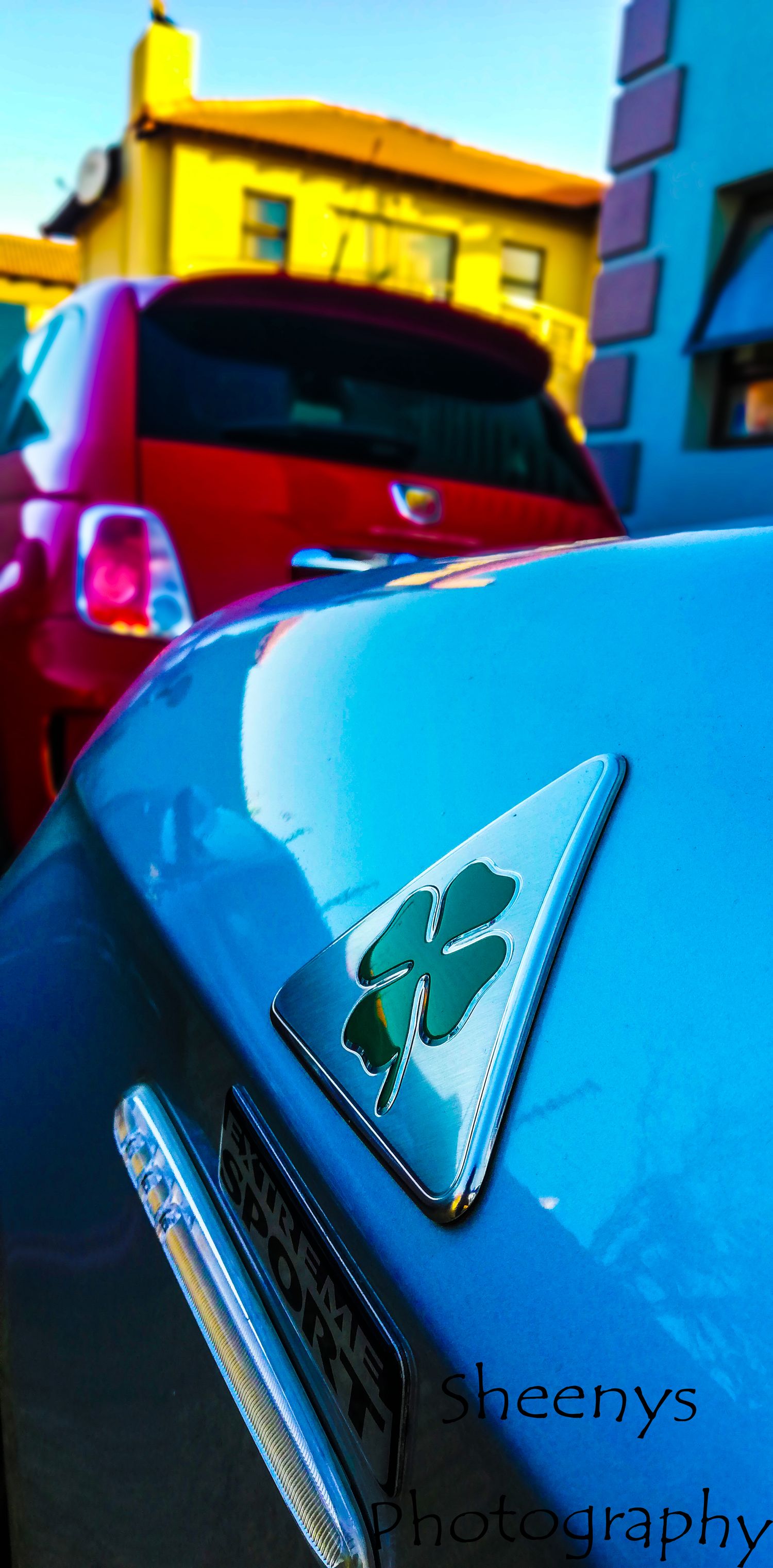
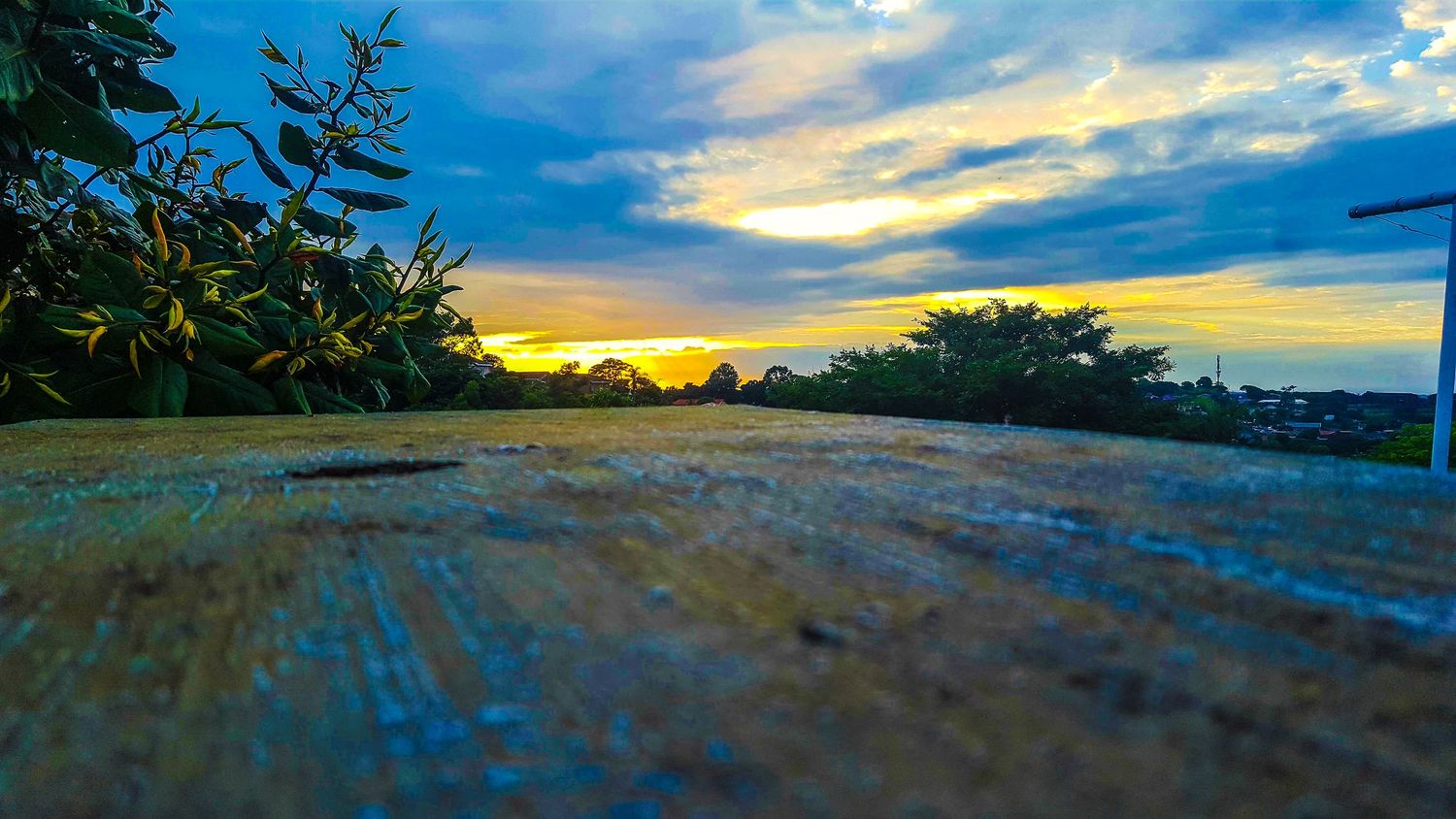
The Era of the "Slider Addict"
I knew zero. Zilch. Nada. I didn’t know what composition was, and manual mode might as well have been rocket science. At the time, I was shooting on a Huawei Mate 20 Lite and editing in Lightroom on my phone.
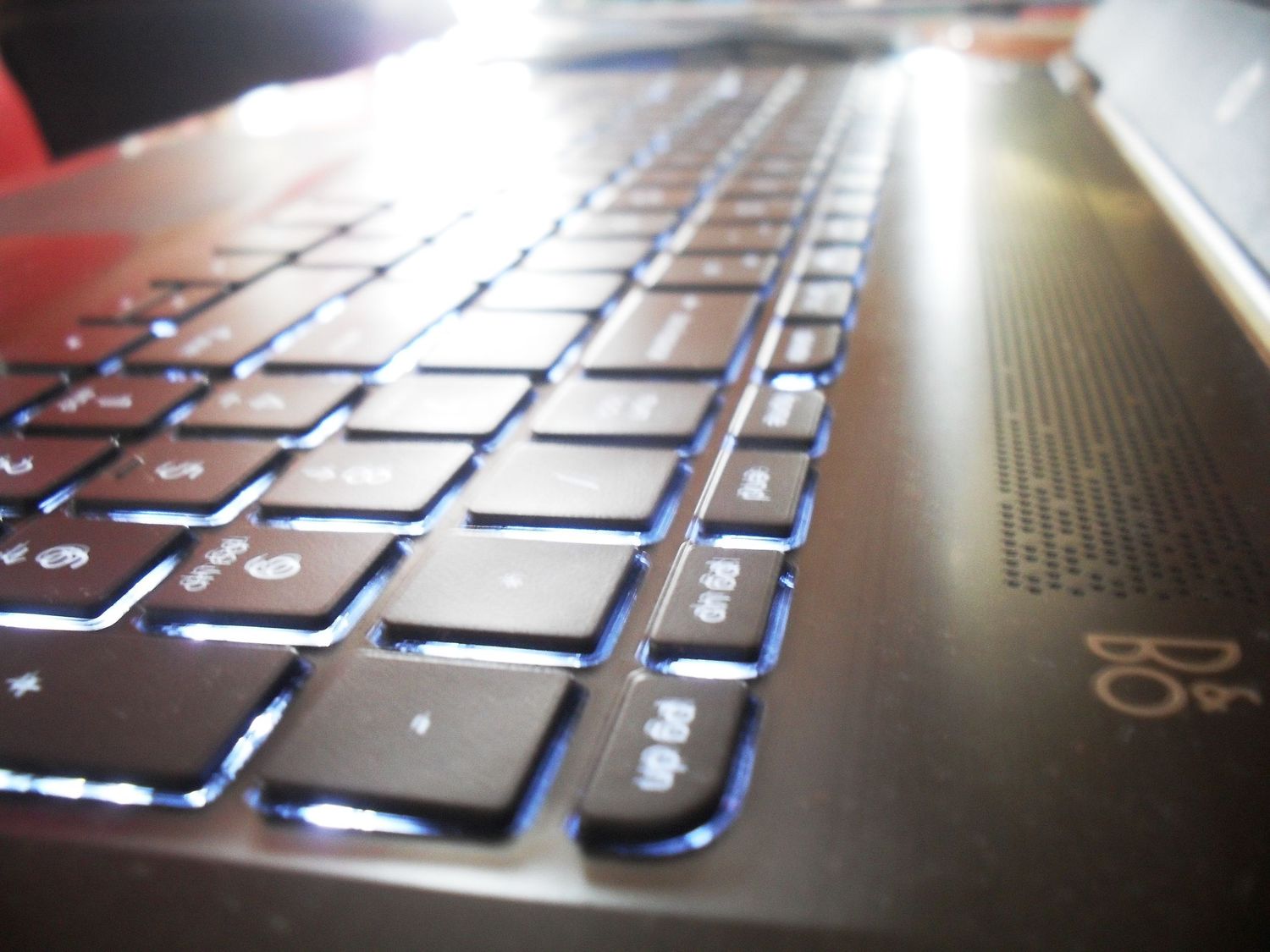
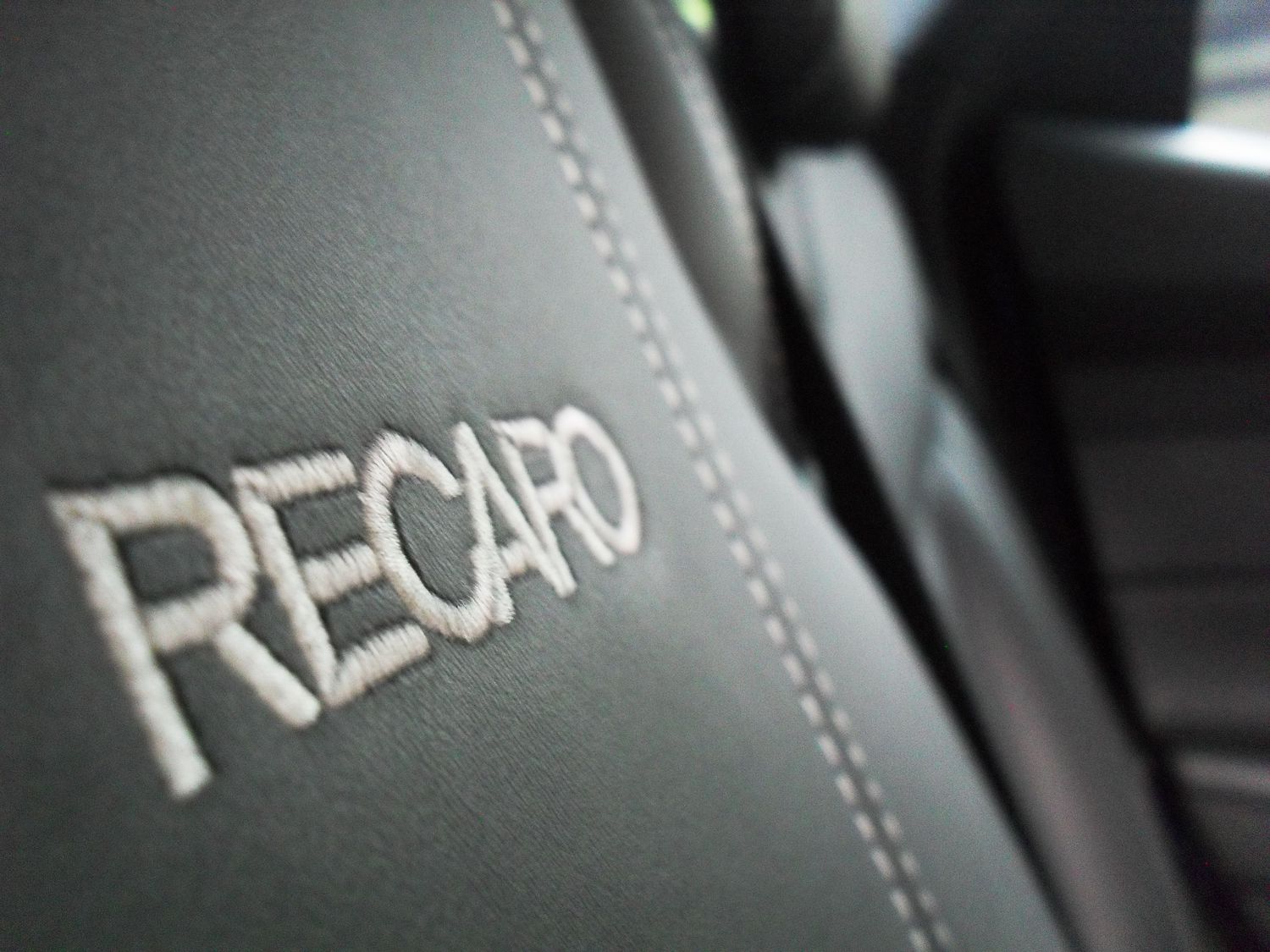
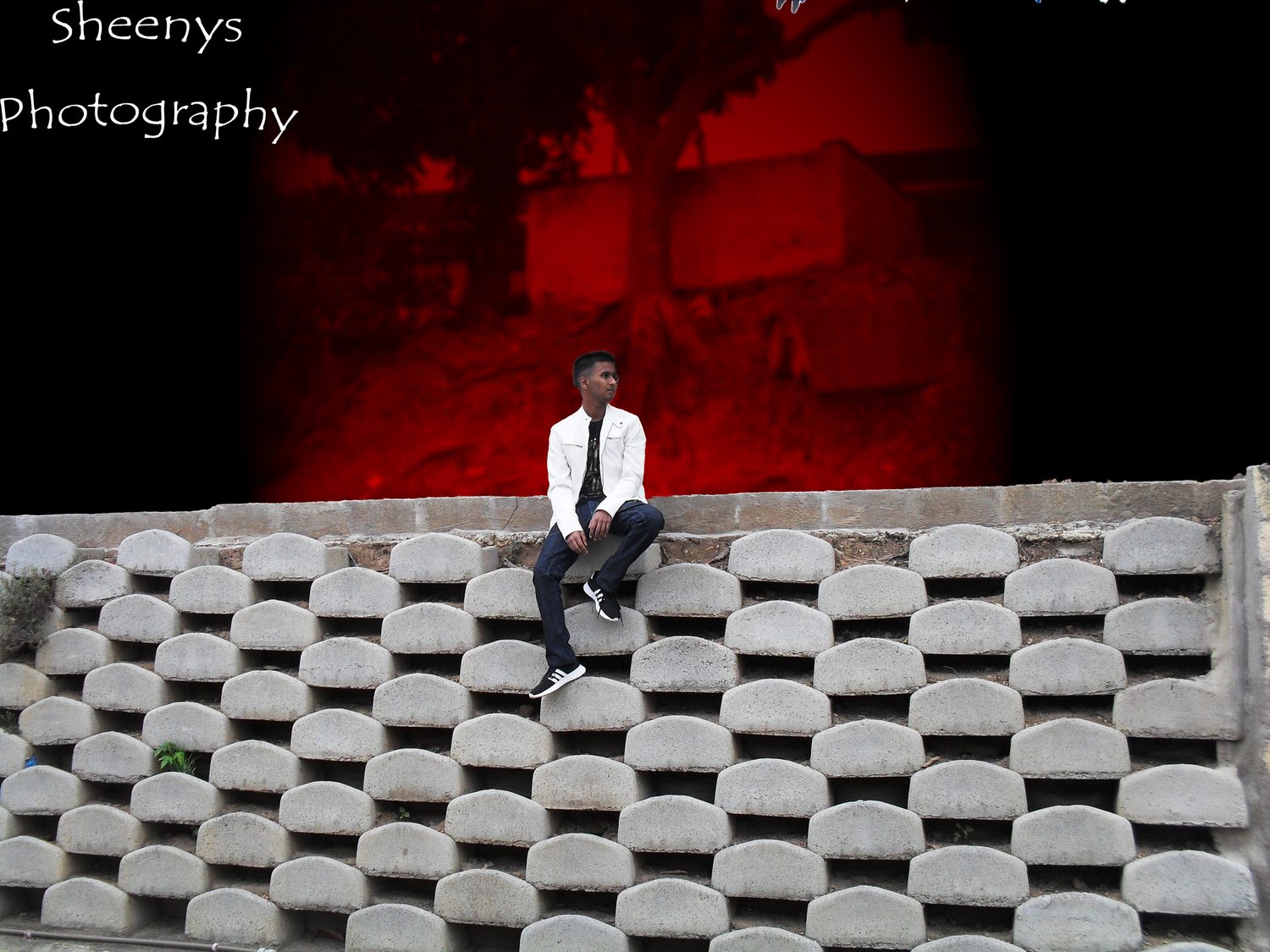
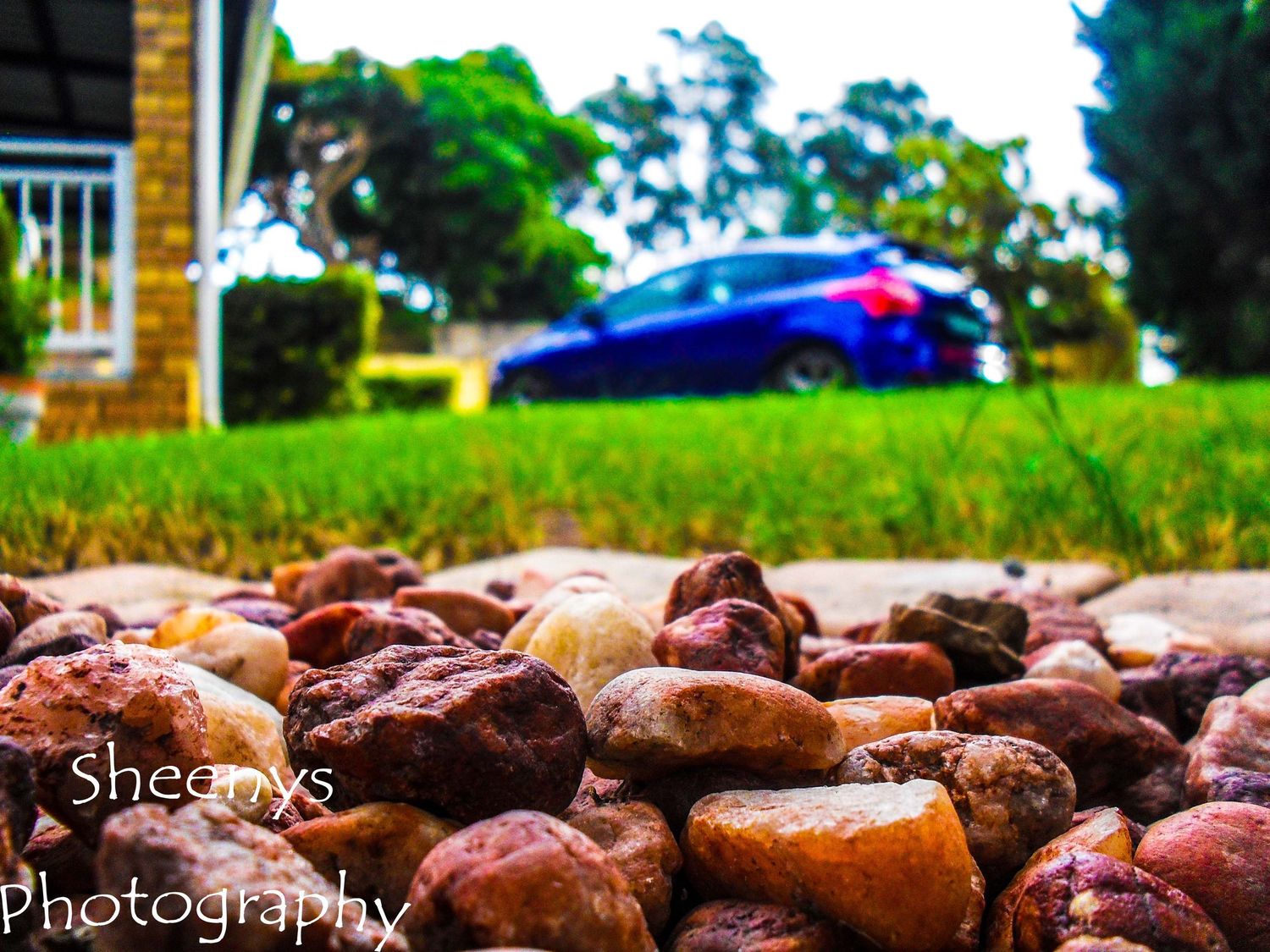
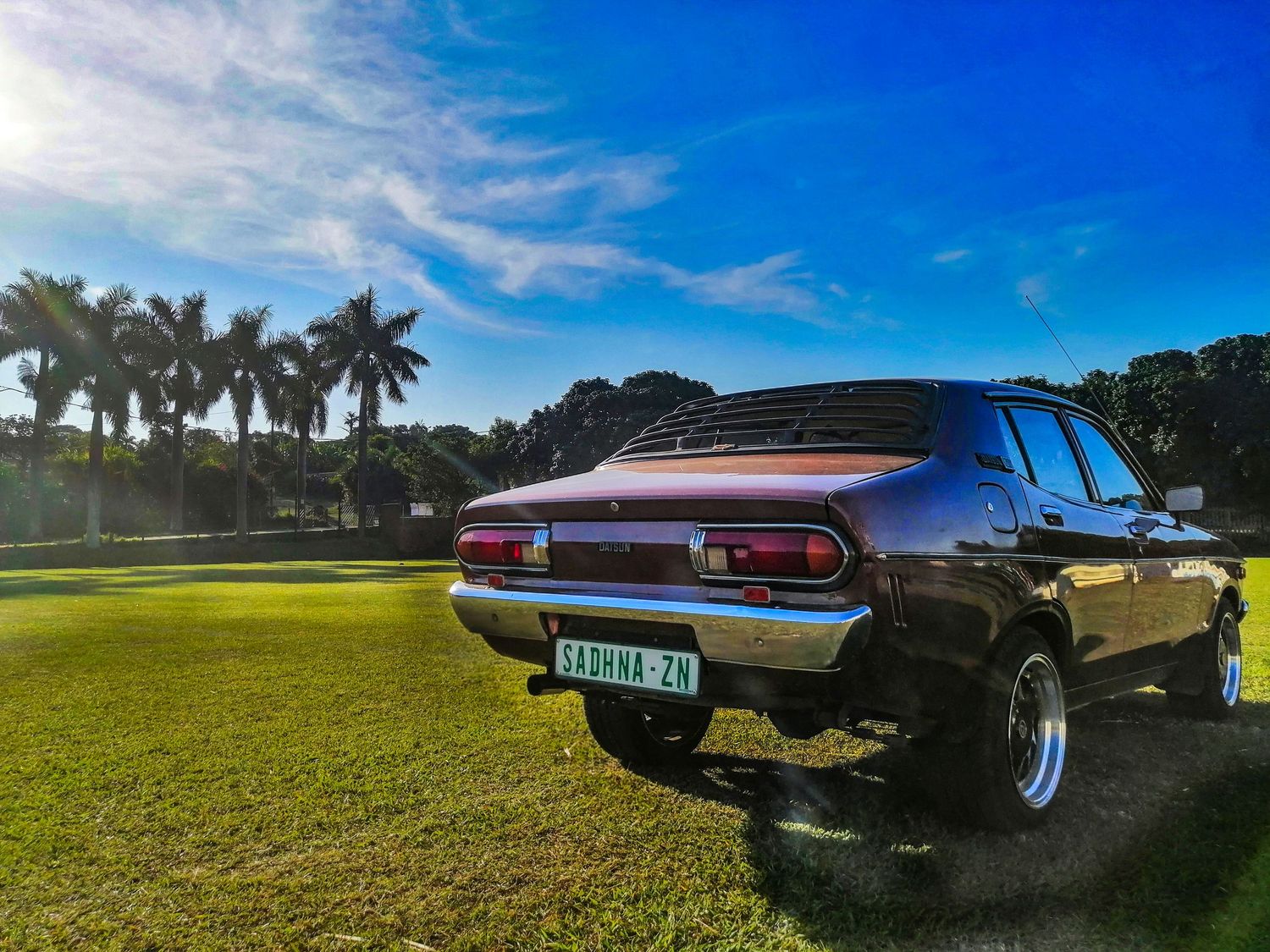
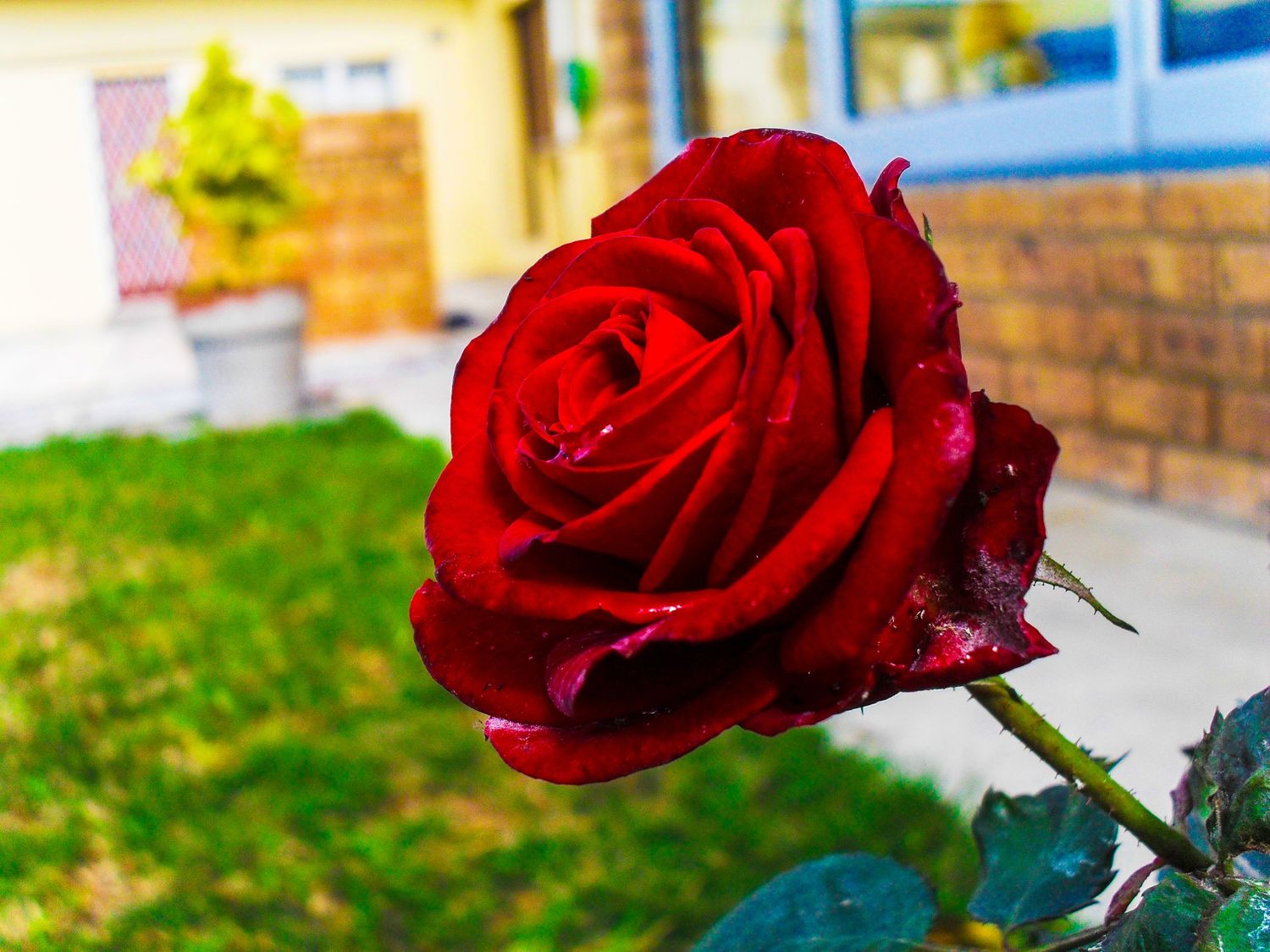
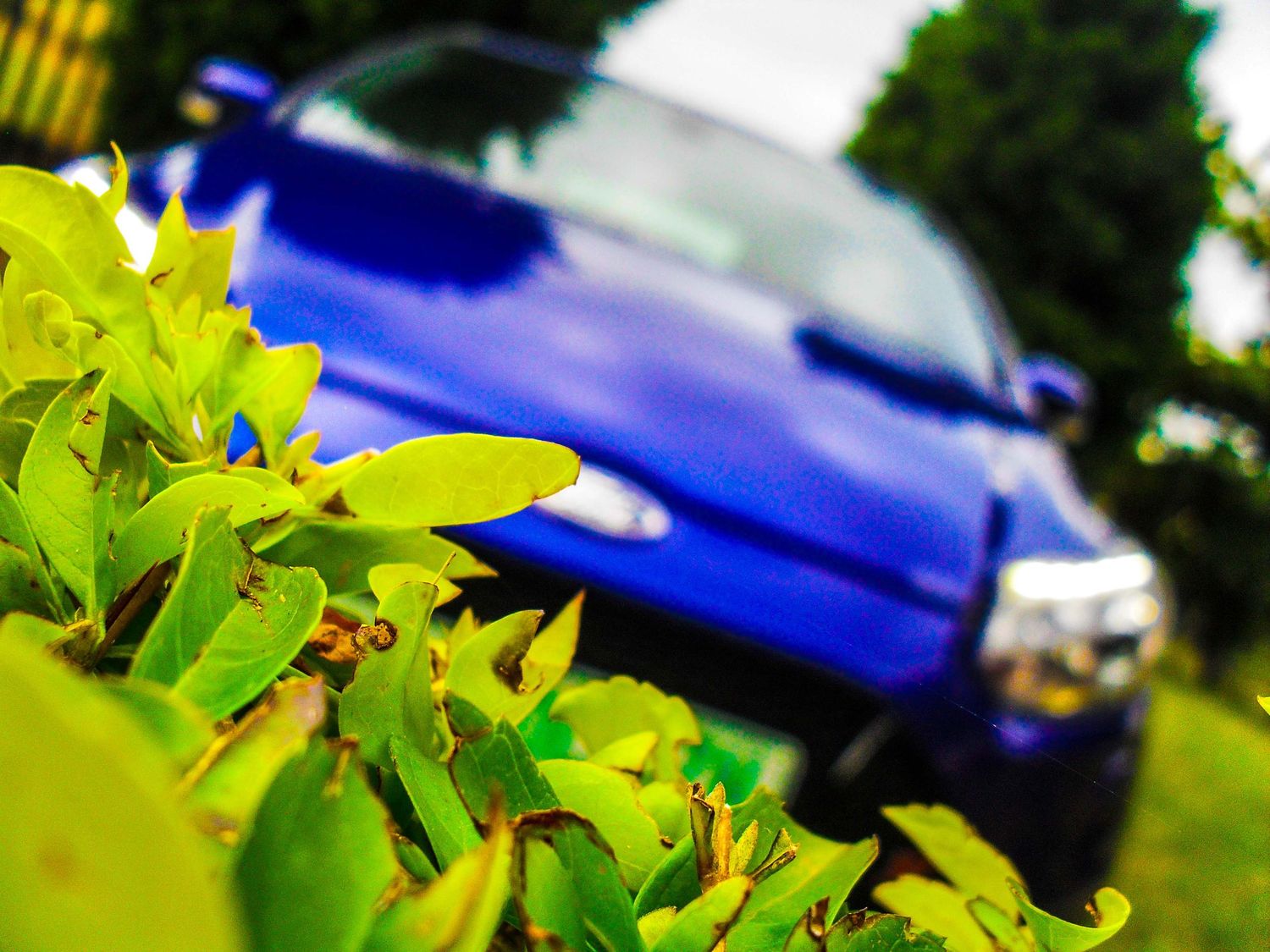
I had a very simple, very destructive philosophy: If the slider exists, it should be at 100%. Behold the clarity. It’s a wonder the car didn’t vibrate off the screen.
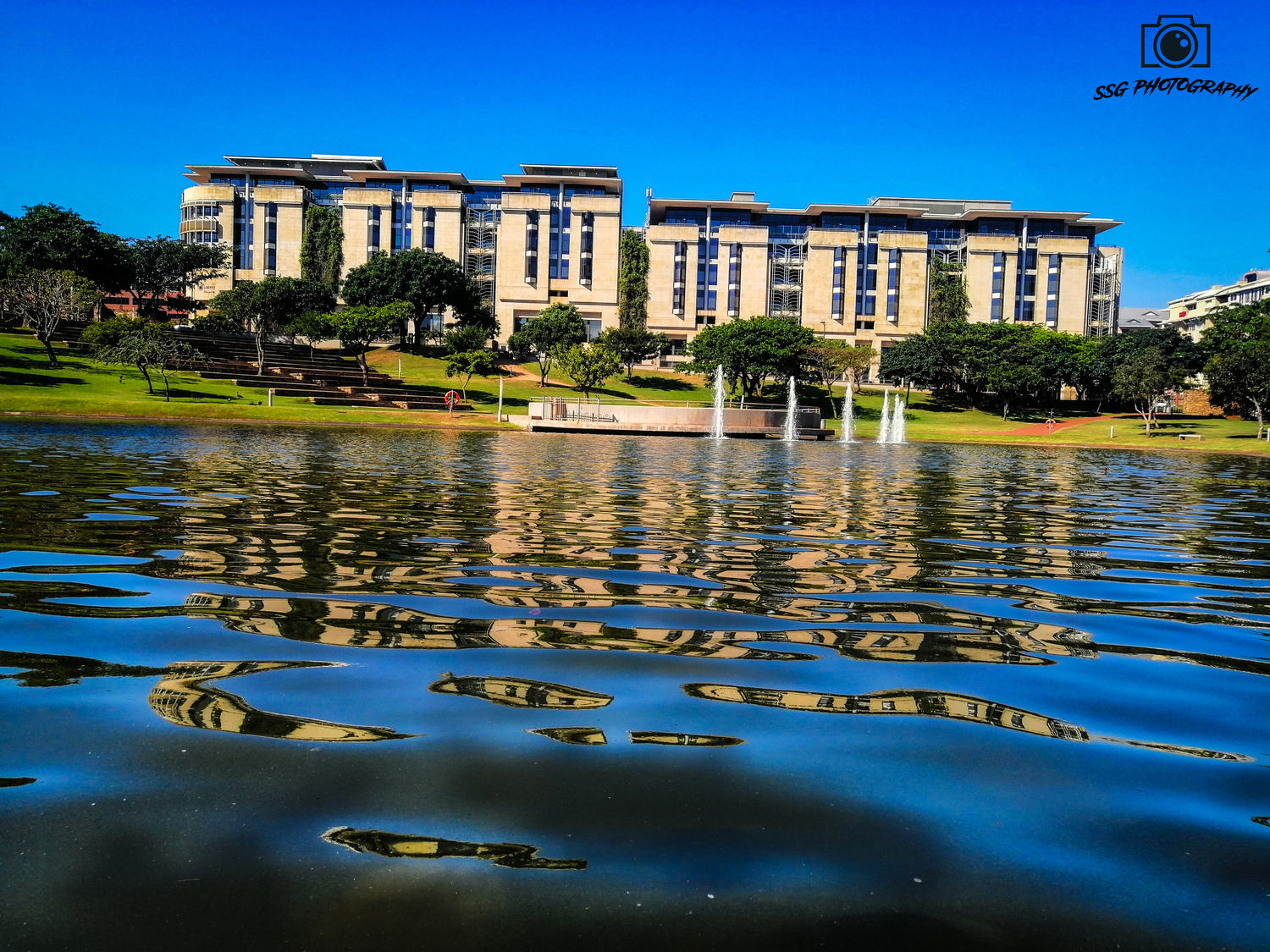
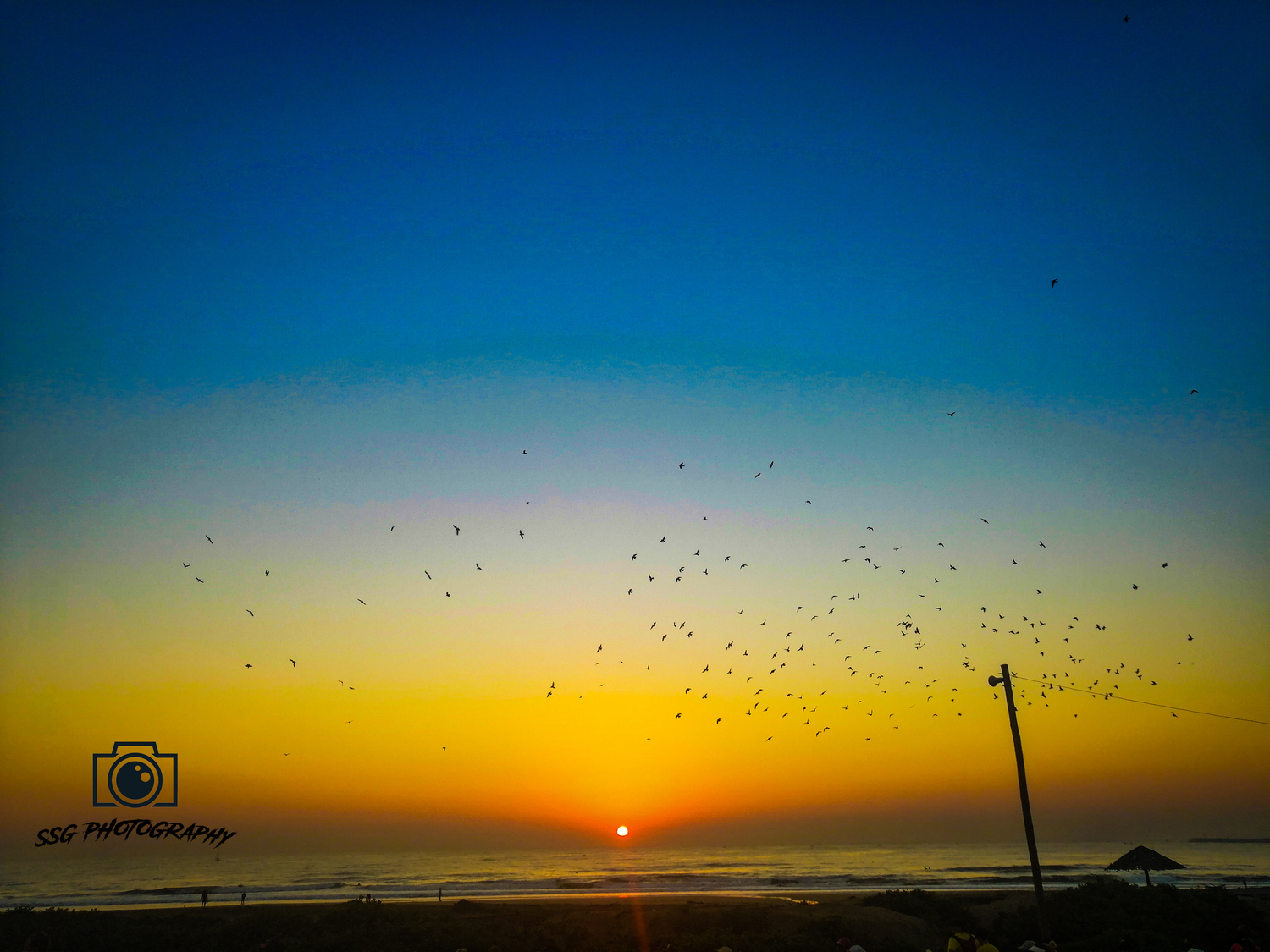
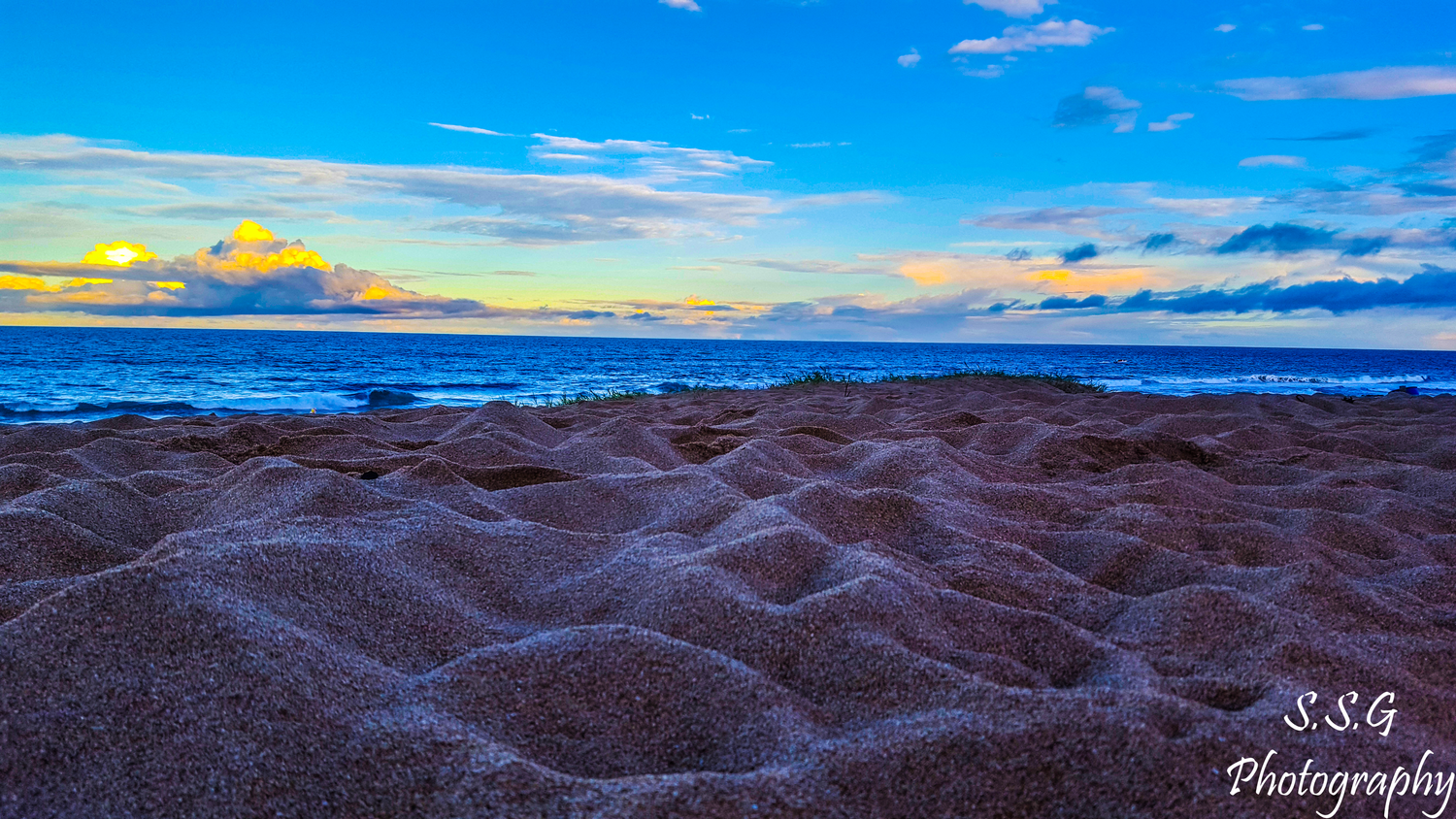
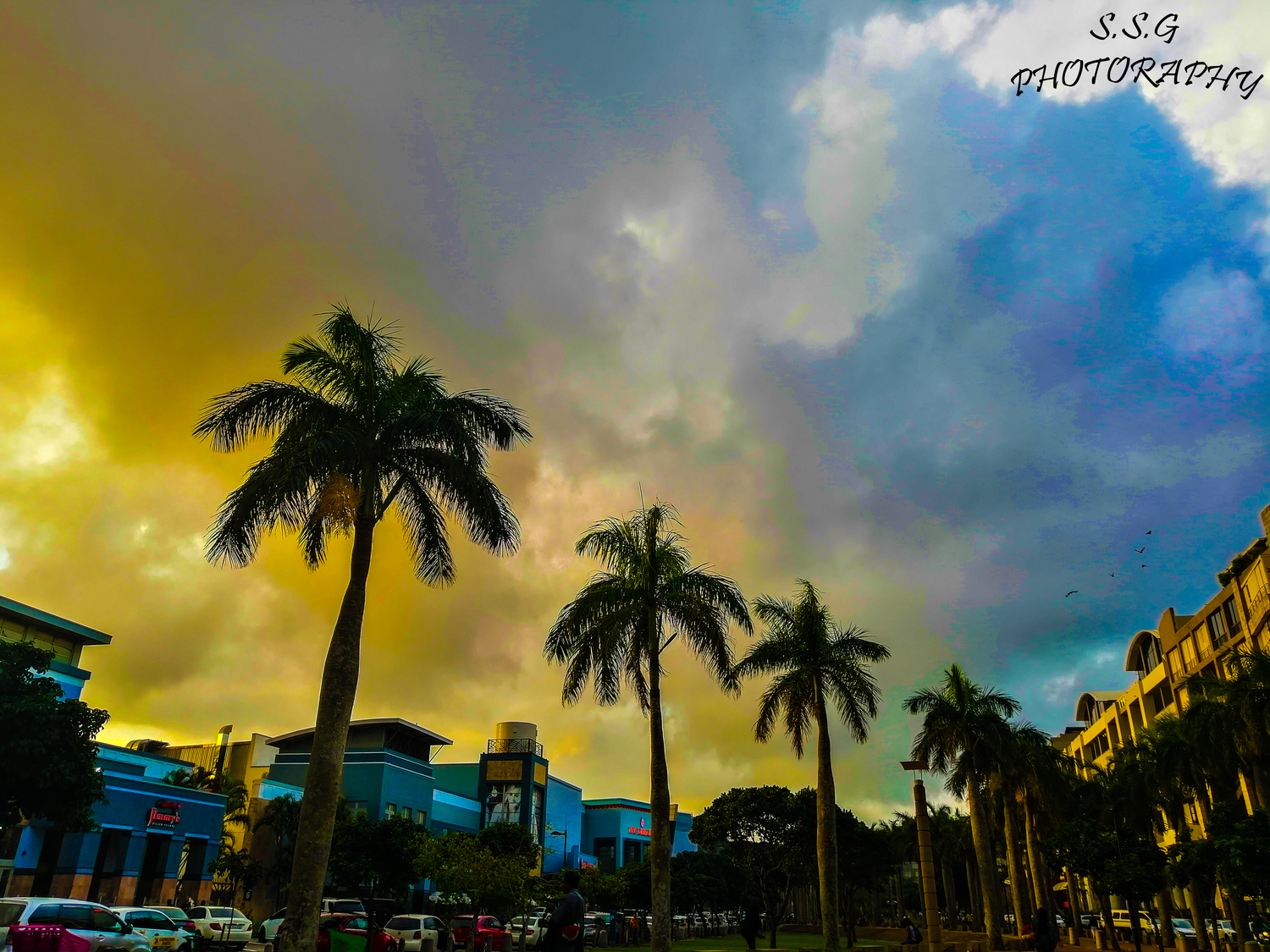
I thought I had discovered the secret sauce. I’d find the Saturation and Clarity sliders and crank them to their absolute maximum. To my eyes back then, it looked "professional." People were kind enough not to tell me the truth, but looking at these images now, like the Datsun or some of my early landscape attempts, I realized I was basically deep-frying my photos.
The "Less is More" Revelation
Over time, the "plot" started to make sense. I realized that editing isn't about how much you can add, but how much you can enhance without breaking the image.
In the beginning, my Clarity, Vibrance, and Shadows sliders never sat below 80% to 100%. Today? They barely pass 20% at the absolute most. The shift happened when I started shooting RAW for the first time. I spent hundreds of hours on YouTube, watching creators like Peter McKinnon. He was, and still is, a massive inspiration. I started learning the technical side, Frequency Separation in Photoshop, how to actually use HSL sliders to manipulate color, and the delicate balance of light.
The Plot Twist:
There is another "limitation" to my capabilities that many of you don't know about. It’s a bit of a plot twist that makes my journey with color and light even more interesting. I’ll save that story for another day, but those who know me personally know exactly what I’m talking about. Let’s just say it makes those early saturation choices even funnier in hindsight.
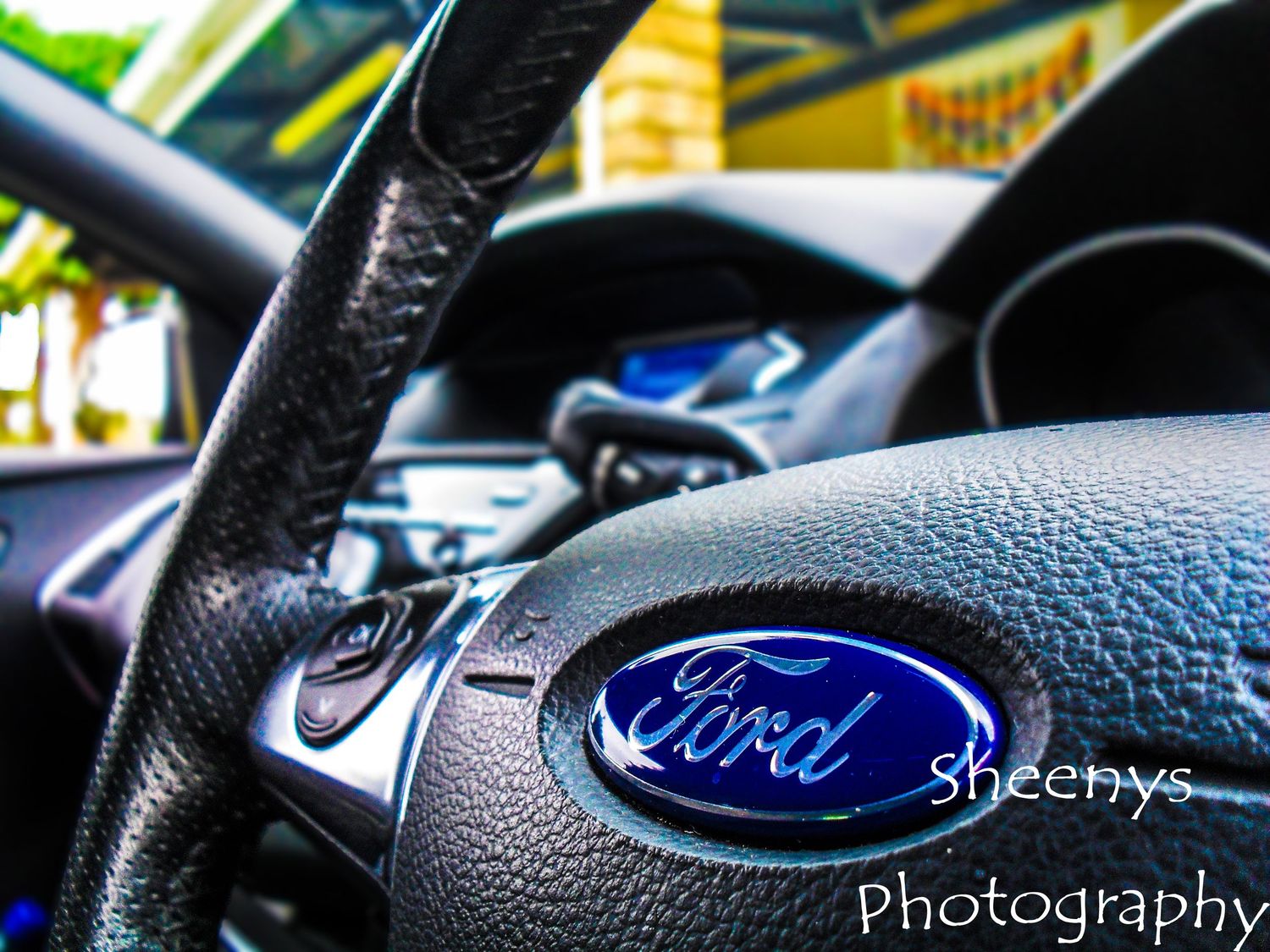
Art is Subjective (And That’s the Point)
The reason I’m sharing these "trash" images isn’t to put myself down. It’s because I want anyone starting out to realize that perfection is a myth.
In this life, there is no "best" photographer or "best" videographer. Art is subjective. We are all operating on different levels and different wavelengths. Where I am today with SSG Photography is miles ahead of where I was with that Huawei phone, but I know that two years from now, I’ll look at my current work and see ways to be better.
The Takeaway
Don't go into a new craft intending to be perfect. You won't be.
- Intend to be better than you were the last time you picked up the camera.
- Embrace the cringe. It’s proof of progress.
- Keep your sliders in check. (Seriously, put the clarity down).
We’re all just witnesses to the world, trying to get a little better at documenting it every day.
"Don’t judge the person who started the journey by the standards of the person you’ve become; the courage to be a beginner is the only thing that creates a life worth looking back on.
Growth is never about arriving at a final destination of perfection, it is the constant, quiet act of ensuring that the person you are tomorrow is always a better version than the one you were yesterday."
SSG Photography